21st Prime Minister of Canada
Paul Martin
Liberal prime minister of Canada, 2003–2006.
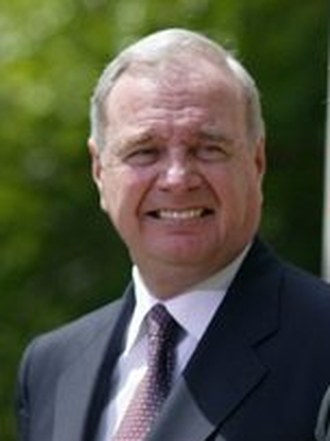
Biography
Paul Edgar Philippe Martin was born on 28 August 1938 in Windsor, Ontario, the son of Paul Martin Sr., a long-serving Liberal MP and cabinet minister. He survived polio as a child and divided his youth between Windsor and Ottawa. He studied philosophy and history at the University of Toronto's St. Michael's College and graduated in law from the University of Toronto in 1964. He married Sheila Cowan in 1965; they have three sons.
After being called to the Ontario bar, Martin joined Power Corporation in Montreal in 1966, rising to senior executive positions. In 1981 he and a partner bought Canada Steamship Lines, which he built into a major shipping company. He was elected to the House of Commons in 1988 for the Montreal riding of LaSalle—Émard, which he represented until 2008. In 1990 he finished second to Jean Chrétien in the Liberal leadership race.
When the Liberals took power in 1993, Chrétien appointed Martin minister of finance. Facing a large deficit and rising debt, his 1995 budget made deep cuts to federal programs and transfers to the provinces. The budget was balanced in 1997–98, and surpluses followed for the rest of his term. He also oversaw reforms to the Canada Pension Plan and tax reductions, and in 1999 became the first chair of the G20 finance ministers. Long-standing tension with Chrétien ended with Martin leaving cabinet in June 2002.
Martin won the Liberal leadership in November 2003 and was sworn in as the 21st prime minister on 12 December 2003. Early in his term the Auditor General's report on the federal sponsorship program in Quebec led him to set up a commission of inquiry under Justice John Gomery. In the election of 28 June 2004 the Liberals were reduced to a minority government.
His government reached a ten-year health care funding agreement with the provinces in 2004, signed agreements with the provinces on early learning and child care, and passed the Civil Marriage Act in 2005, which made same-sex marriage legal across Canada. In November 2005 it concluded the Kelowna Accord, a plan negotiated with provincial, territorial and Indigenous leaders to improve education, health and housing for Indigenous peoples. It survived a confidence vote in May 2005 only with the Speaker's casting vote, after a budget deal with the New Democratic Party.
The government was defeated on a motion of non-confidence on 28 November 2005, and the Conservatives under Stephen Harper won the election of 23 January 2006. Martin left office on 6 February 2006 and stepped down as Liberal leader in March. He did not run again in 2008. In later years he concentrated on Indigenous education and economic development through a family foundation and an investment fund for Indigenous entrepreneurs, and published his memoirs in 2008.
Public debt while in office
- Debt to GDP, taking office
- 75.9% (end-2003)
- Leaving office
- 70.6% (end-2005)
- Change
- -5.3 points of GDP
- In dollars (at the time)
- $952.4 billion → $1.00 trillion
Gross public debt of all levels of government as a share of GDP at the year-end nearest each change of prime minister (IMF). Compare every prime minister.